

By Mason Torres
Creede’s Climate Trends—Warmer and Drier Overall
Recent climate normals for southwest Colorado show that Creede is part of a region experiencing rising temperatures. Average annual temperatures have increased around 0.7°F, while precipitation—especially in spring, summer, and fall—has become more erratic and often reduced. Winters, in contrast, show less change in rainfall. These shifts affect snowpack counts, spring runoff timing, and overall water availability.
Snowpack, Runoff, and Water Supply Concerns
Nestled at the headwaters of the Rio Grande Basin, Creede depends on mountain snowpack to sustain summer flows downstream. With more early melts and weaker snow cover in recent years, surface water, stream health, and downstream irrigation are under pressure. Infrastructure challenges also play a part, as dated systems and limited metering make efficient water use harder to manage.
Mines, Legacy Pollution, and Watershed Health
Creede’s history of mining—silver, lead, zinc, and more—has left environmental scars. Abandoned mine tunnels and waste-rock piles in the Willow Creek watershed continue contributing elevated levels of metals like cadmium and lead to surface water. Ongoing reclamation efforts attempt to reduce that load, restore stream stability, and safeguard both water quality and downstream fisheries.
Mountain Lakes and Algal Blooms
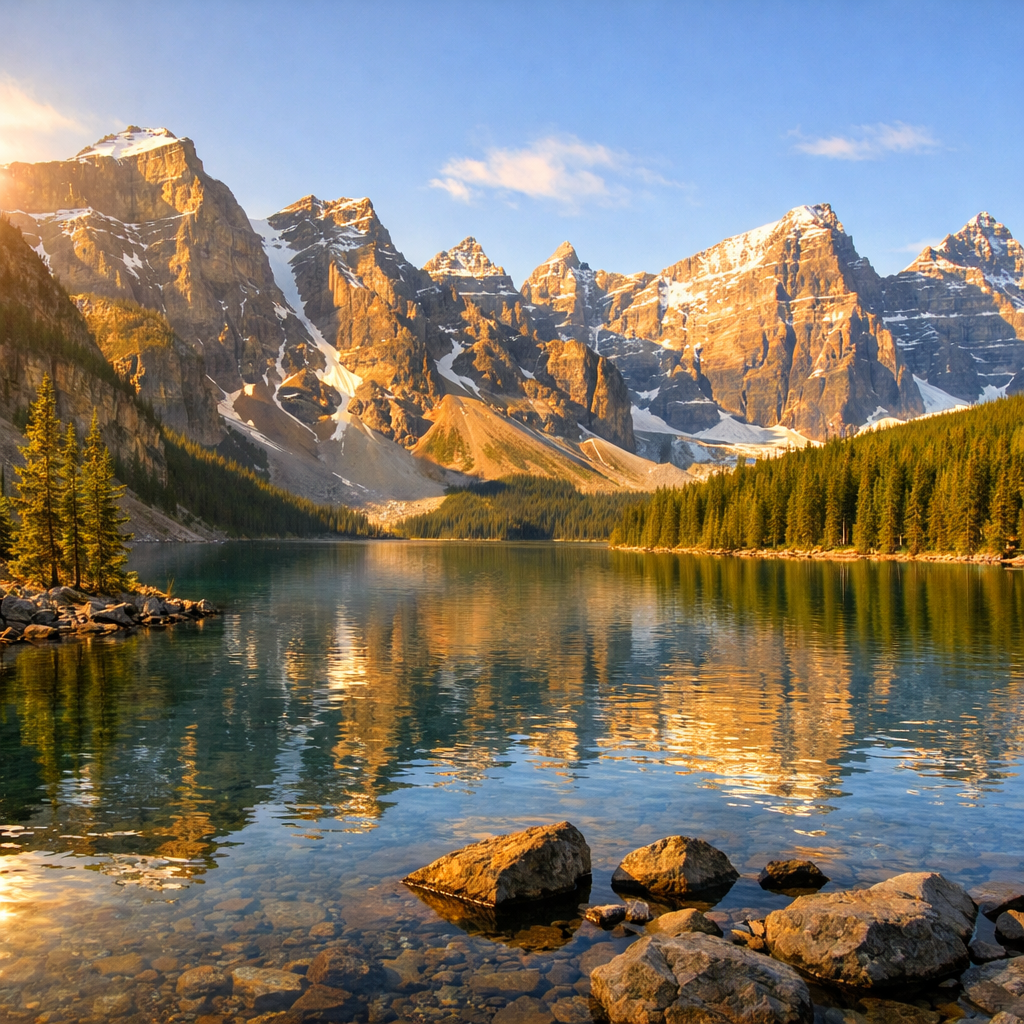
Across the Rockies, lakes that were once crystal clear are turning green. Higher temperatures, longer warm periods, and airborne nitrogen depositing into alpine systems are combining to support blooms of toxin-producing cyanobacteria. Such changes can threaten aquatic life, reduce water quality, and alter recreational experiences.
What We Can Do—Local Actions with Big Impacts
- Support and expand water efficiency: fixing leaks, using smart irrigation, and pushing for more complete metering for all users.
- Back mine-site remediation projects that stabilize waste-rock piles and divert contaminated runoff.
- Monitor lake and stream health; early detection of algal blooms can help with mitigation.
- Adapt forestry and land management to reduce wildfire risk under drier conditions: thinning, defensible space, controlled burns where feasible.
As Creede continues to weather changes in climate and land use, small choices add up. For our farmers, anglers, mountain stewards, and anyone who calls this place home, staying informed—and staying engaged—is part of protecting what makes this corner of Colorado special.