

By Emma Martinez
In an increasingly interconnected world, developments from distant corners impact communities near and far — including places like Creede, Colorado. Here are several global trends and international developments with relevance beyond borders.
1. Bridging the Gap Between Climate Pledges and Action
Latest reports stress that although nations continue to make ambitious climate commitments, transforming those into real-world action is uneven. Emissions from energy systems rose again last year, despite growing public-private partnerships and policy frameworks designed to accelerate decarbonization.
Groups like governments, financial institutions, and civil society are now emphasizing near-term priorities: scaling clean energy infrastructure, ensuring resilient cities, and integrating climate adaptation into financial planning. These goals are central to agendas set for upcoming global stocktakes.
2. Global Health Emergencies: Ebola and Beyond
Public health officials declared a major international emergency after an Ebola outbreak in the Democratic Republic of Congo and Uganda crossed critical thresholds — over 300 suspected cases and dozens of deaths. Meanwhile, earlier fears around a cruise-ship hantavirus outbreak have eased, but both situations reveal vulnerabilities in pandemic preparedness and response systems.
These events reinforce the need for continuous investment in early detection, international cooperation, and equitable access to health resources — essential components for safeguarding health in all communities.
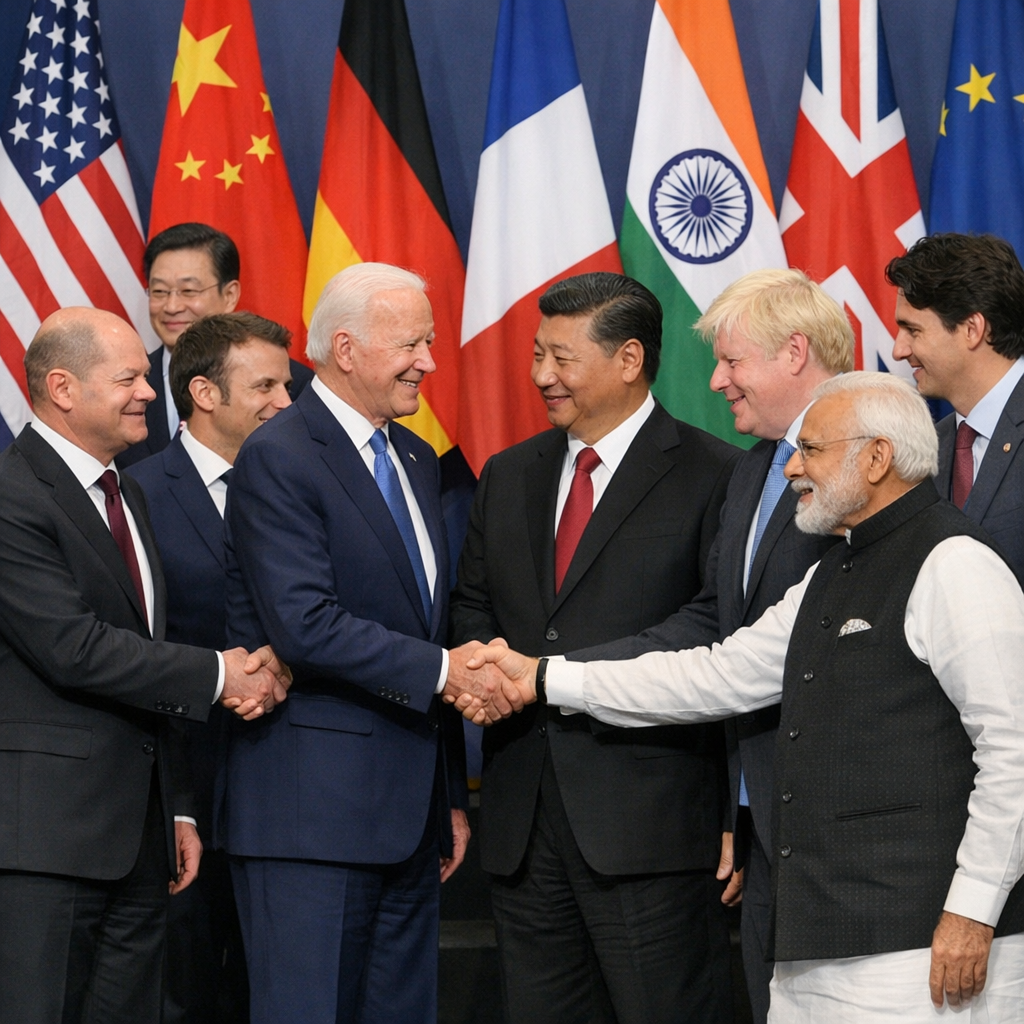
3. Shifting Diplomatic Dynamics and U.S. Foreign Policy
The global perception of U.S. alliances is evolving. Some traditional allies are recalibrating priorities in response to changes in trade policies, sanctions, and diplomatic engagement. Recent legislation grants the U.S. executive branch expanded powers to impose tariffs and duties on trade partners without congressional review, signaling a more assertive stance toward perceived adversaries.
These shifts weigh heavily on global trade, security cooperation, and international stability. How partners and rivals respond may redefine relationships for the decade ahead.
4. Cities Step Up as Global Actors
Mayors and local government leaders from around the world gathered recently in a major global hub to highlight the role of cities in confronting climate change, housing crises, and migration. Their message: local action matters, and municipal leadership can shape global outcomes.
From ensuring affordable housing to supporting displaced populations, these leaders are demanding that international policies account for the scale and urgency of local needs.
Why These Trends Matter in Creede and Beyond
Even in small mountain towns, global decisions echo locally. Climate policies influence energy costs and weather extremes. Health emergencies can impact travel and the availability of services. Foreign policy and trade decisions affect everything from fuel supply to prices for goods.
Staying informed about these developments not only helps Creede residents understand what’s at stake globally—but also provides opportunities to engage, adapt, and advocate for outcomes that protect people and places everywhere.