

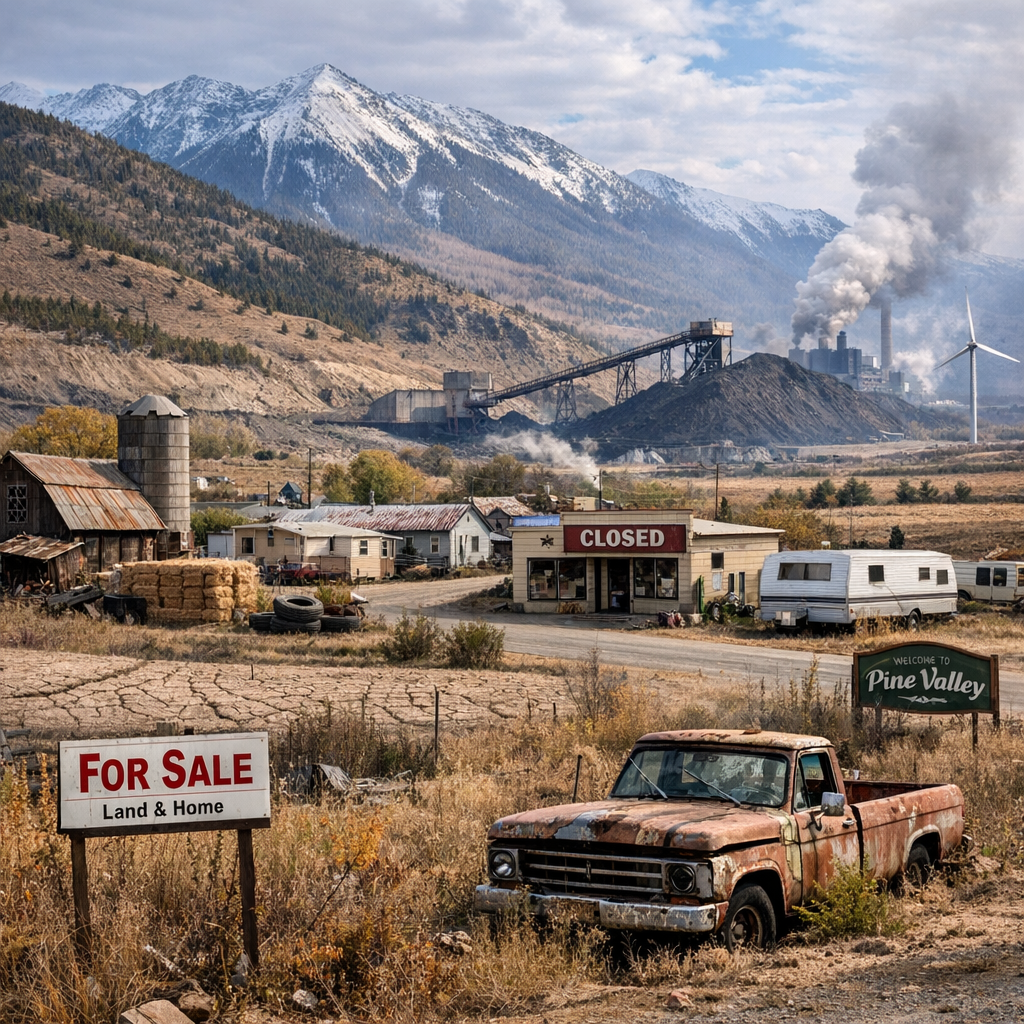
In our interconnected world, events unfolding thousands of miles away can have profound effects on rural communities like Creede, Colorado. Understanding these global challenges is essential for fostering resilience and ensuring the sustainability of our local way of life.
Climate Change and Environmental Shifts
Climate change is a pressing global issue with direct implications for rural areas. Altered weather patterns, increased frequency of extreme events, and shifting ecosystems can disrupt agriculture, water resources, and local economies. For instance, prolonged droughts and unpredictable precipitation can affect crop yields and livestock health, posing challenges for farmers and ranchers in regions like ours.
Economic Globalization and Market Volatility
The global economy’s fluctuations can ripple through rural communities. Changes in international trade policies, commodity prices, and supply chain disruptions can impact local industries. For example, a surge in global fuel prices can increase operational costs for farmers, while shifts in international demand can affect the market for locally produced goods.
Technological Advancements and Digital Inclusion
While technological progress offers numerous benefits, rural areas often face challenges in keeping pace. Limited access to high-speed internet and digital tools can hinder education, healthcare, and economic opportunities. Bridging the digital divide is crucial to ensure that communities like Creede can fully participate in the modern economy and access essential services.
Health Crises and Pandemics
Global health emergencies, such as pandemics, can strain rural healthcare systems, which may already be operating with limited resources. Ensuring preparedness and access to medical care is vital to protect the health and well-being of rural populations during such crises.
Building Resilience Through Community Engagement
Addressing these global challenges requires proactive community engagement. By fostering local initiatives, investing in sustainable practices, and advocating for supportive policies, rural communities can enhance their resilience. Sharing knowledge, resources, and experiences with other rural areas facing similar challenges can also strengthen our collective ability to adapt and thrive.
In conclusion, while global events may seem distant, their impacts are felt deeply in rural communities. By staying informed and working together, we can navigate these challenges and ensure a vibrant future for Creede and similar communities worldwide.